



FAQs
What types of allergies can these labels help identify?
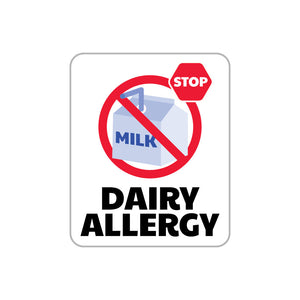
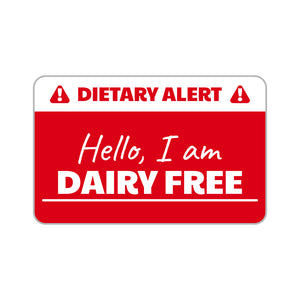
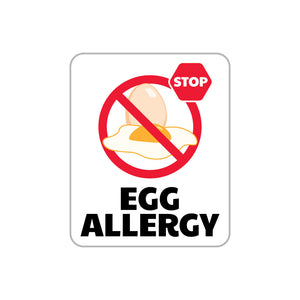
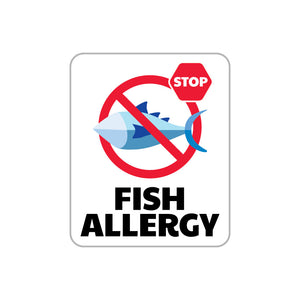
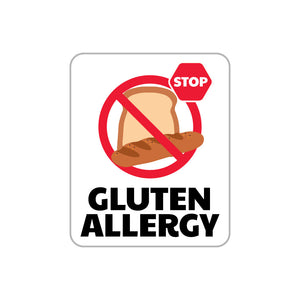
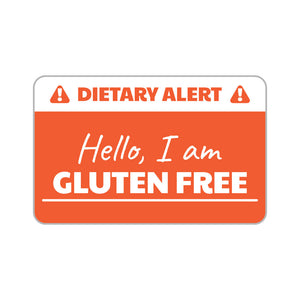
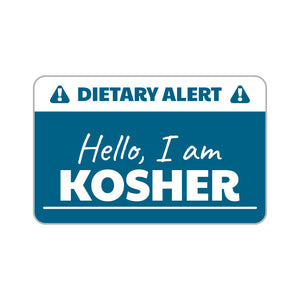
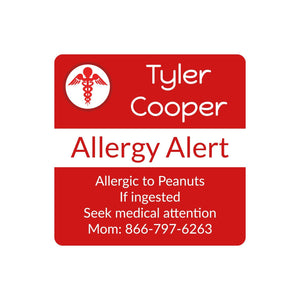
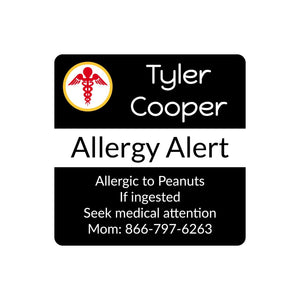
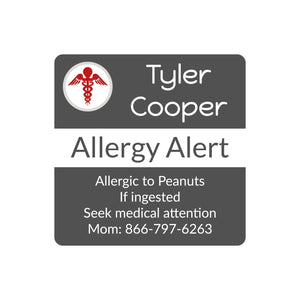
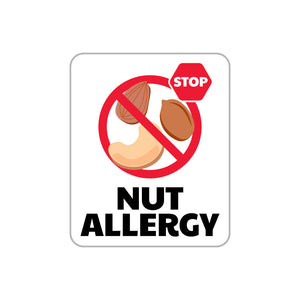
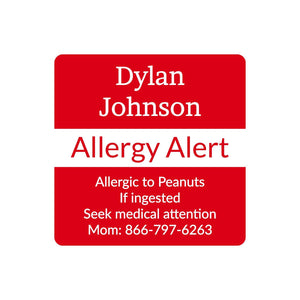
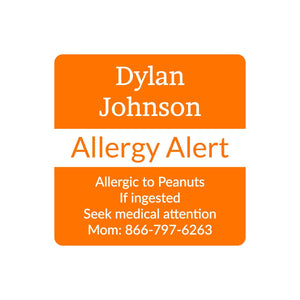
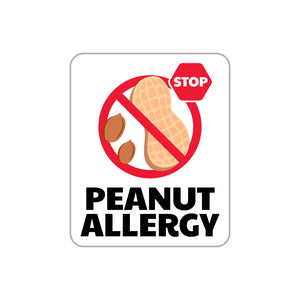
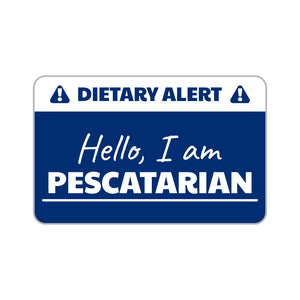
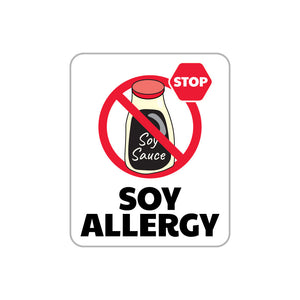
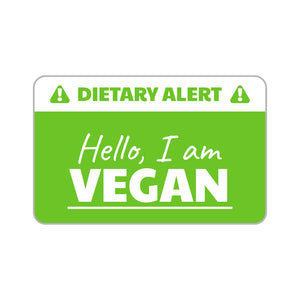
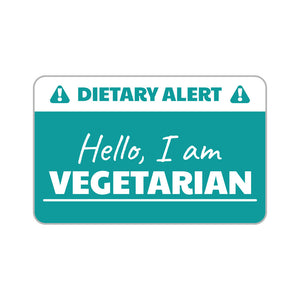
Parents use our allergy labels for peanut, tree nut, dairy, gluten, egg, soy, shellfish, and sesame allergies. They can also be used to communicate other dietary sensitivities or medical conditions that childcare professionals should be aware of before offering food or snacks, like vegan and kosher.
Should my child’s lunchbox be labeled if they have a severe allergy?
Absolutely, without a doubt. We recommend that parents label lunchboxes, containers, and water bottles so allergy alerts are immediately visible during snack time or lunch. In addition to the appropriate communication with your child’s school, daycare, teachers, etc., regarding their allergy, clear labeling helps prevent accidental food sharing or mix-ups with similar containers. It also immediately alerts adults in charge that there’s a child with an allergy present.
Can allergy labels help remind kids not to share food?
They certainly help reinforce that message. Families often teach children simple rules like “only eat what’s packed in your lunch,” because sharing food is one of the most common ways allergens are accidentally introduced. Visible allergy labels can act as a reminder for both your child and their friends that certain foods are unsafe.
Are allergy labels still helpful if my child already has an allergy action plan at school?
Yes, because you can never be too safe when it comes to alerting others of your child’s allergies. We encourage families to use our waterproof allergy labels alongside written care plans or medical instructions. While official plans guide staff and teachers during emergencies, labels provide everyday visibility that helps reinforce allergy awareness during daily routines like lunch or snack time.
Do allergy labels help with cross-contact risks?
They can raise awareness so teachers and childcare pros know to be alert. Cross-contact happens when small traces of an allergen accidentally transfer to another food through shared surfaces or utensils. Even tiny amounts of an allergen can trigger reactions in sensitive children, so reminders that encourage careful food handling are helpful in shared environments.